
-
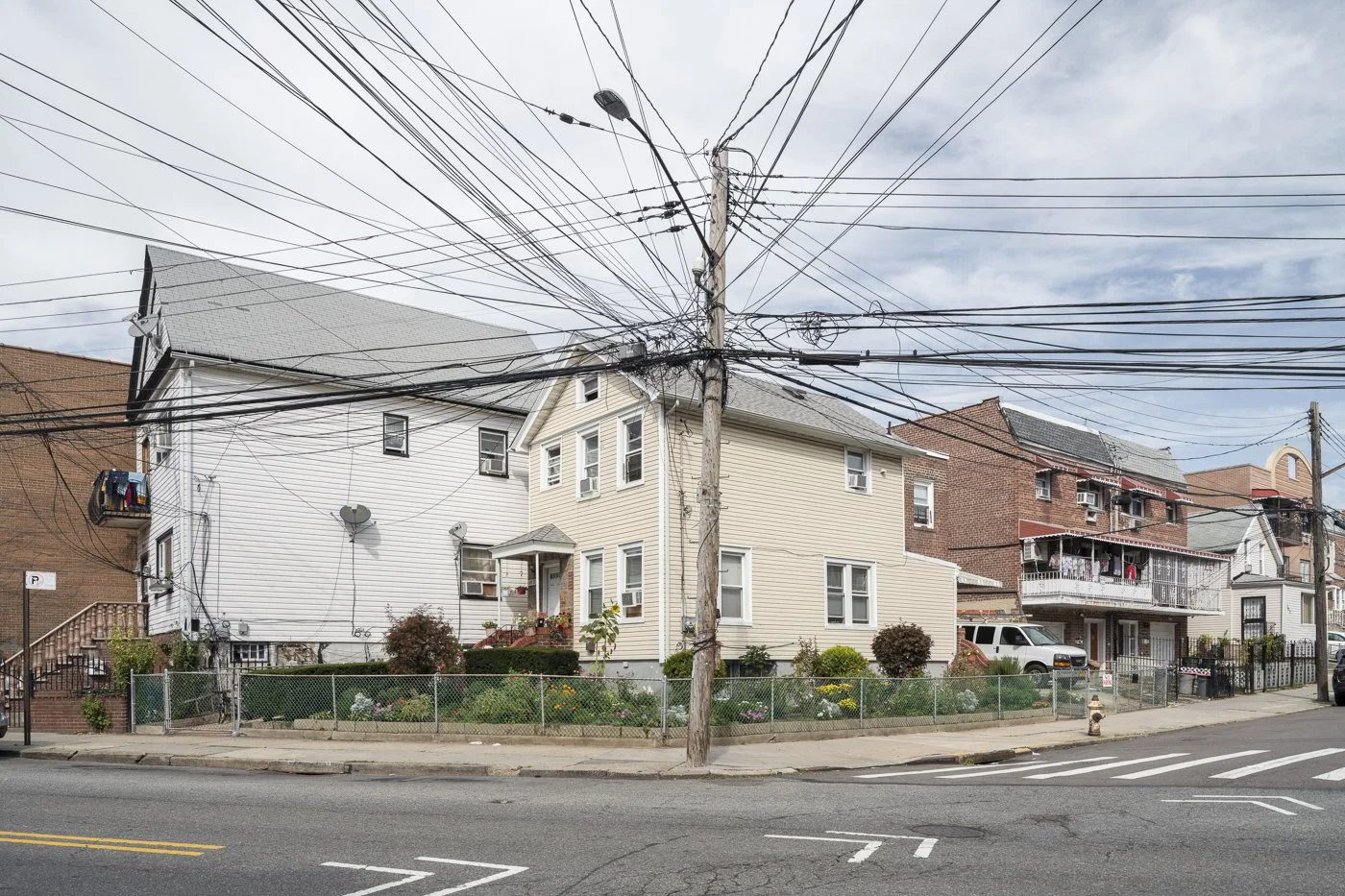
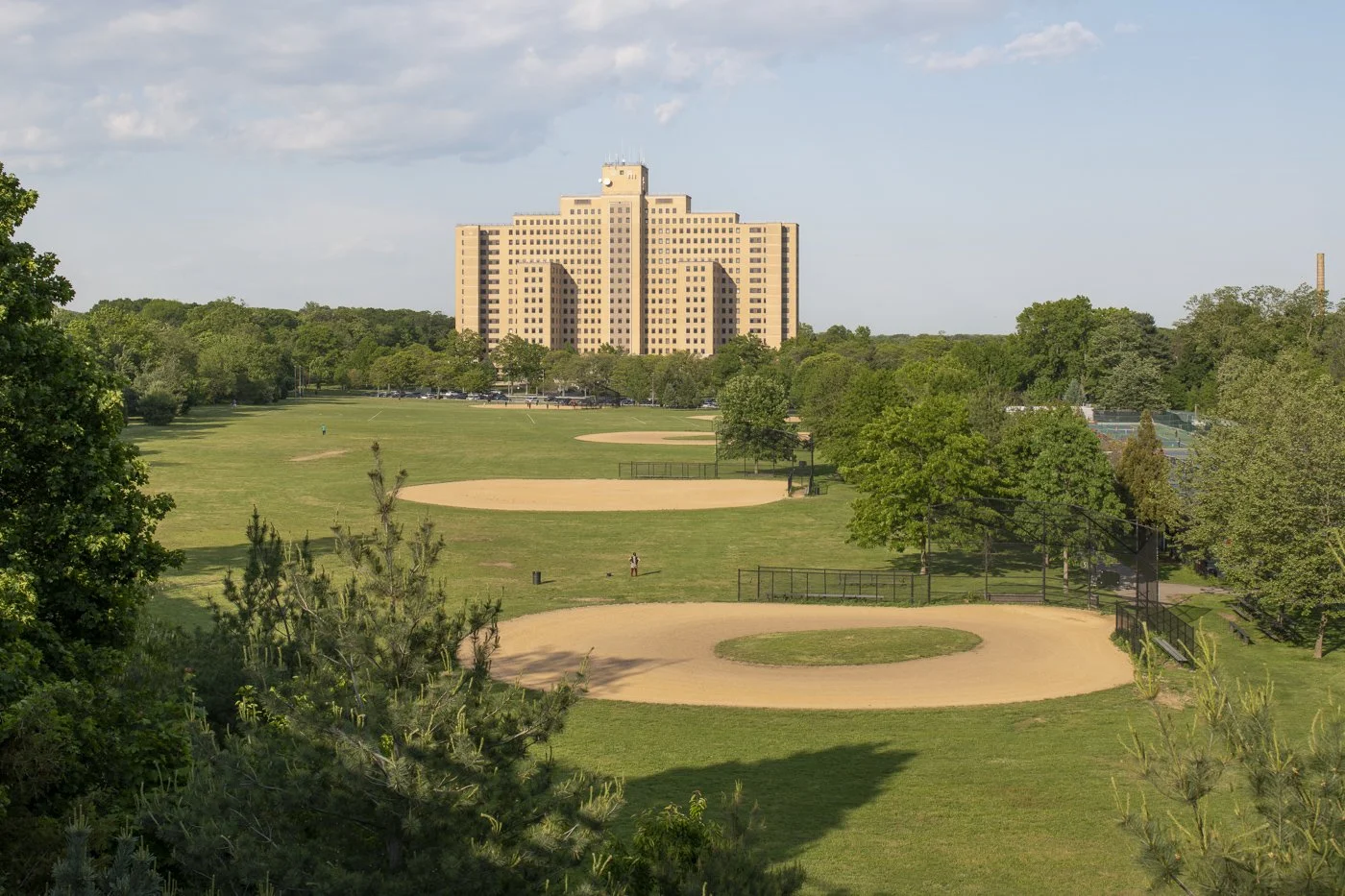
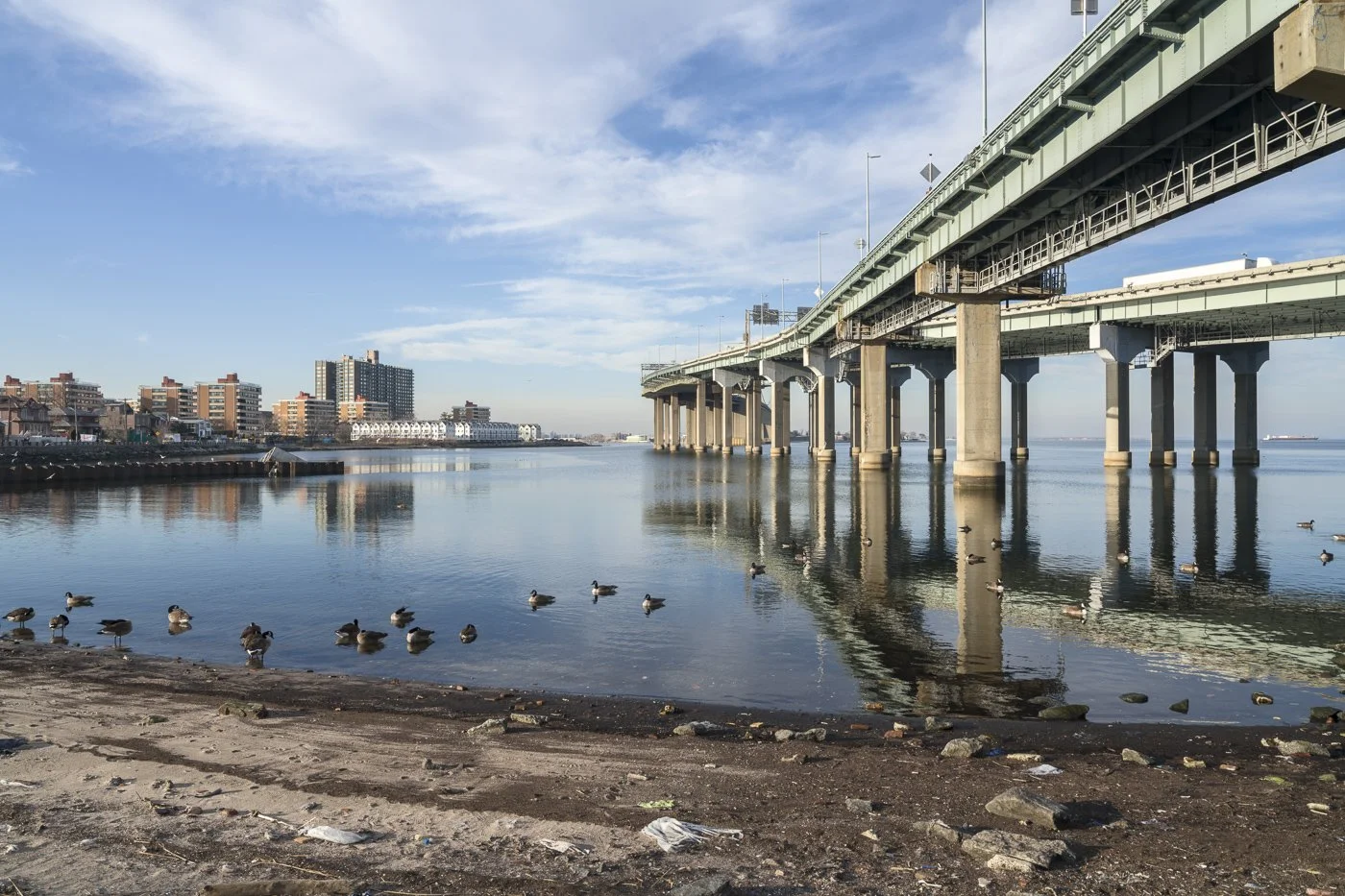
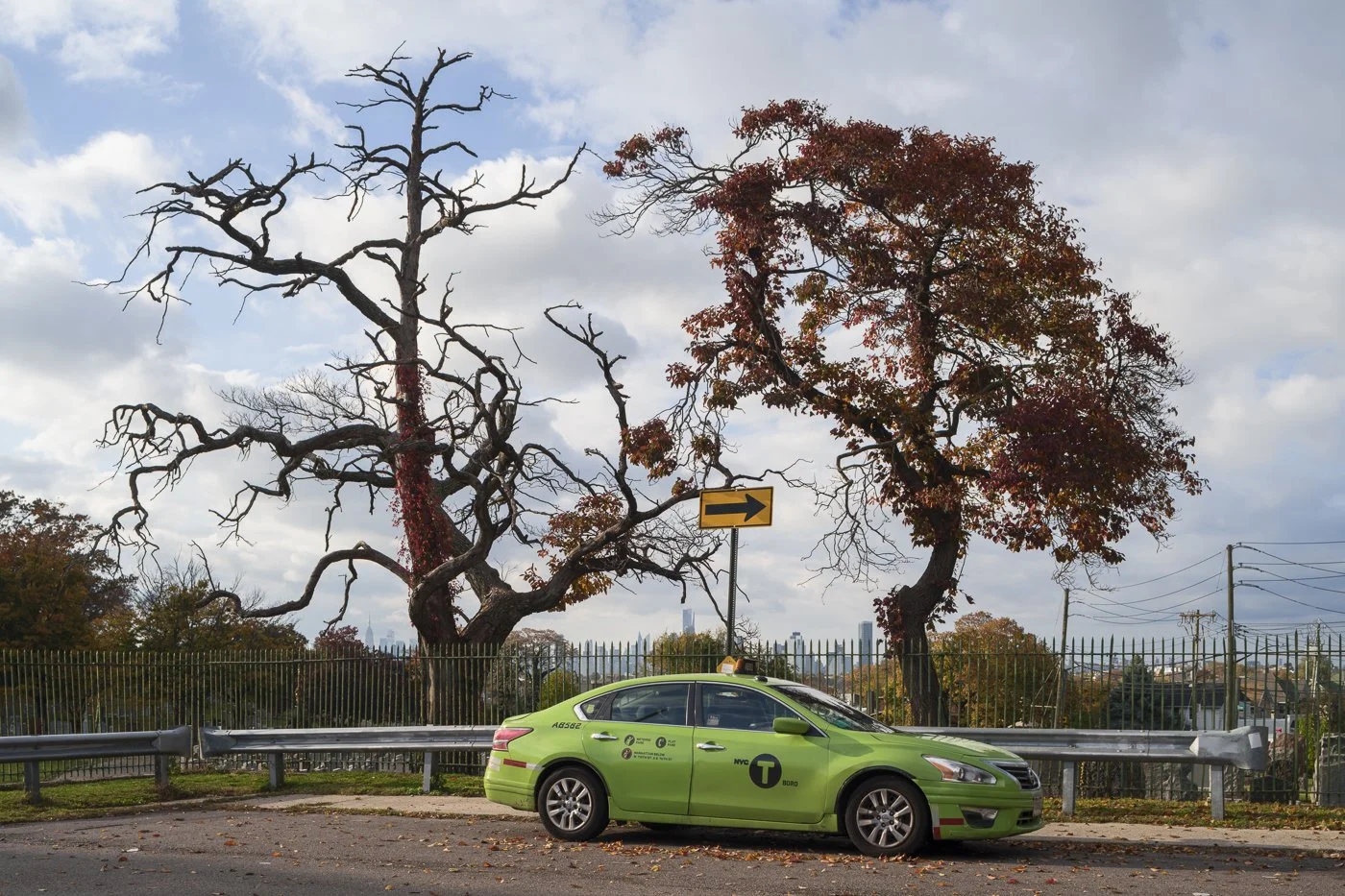
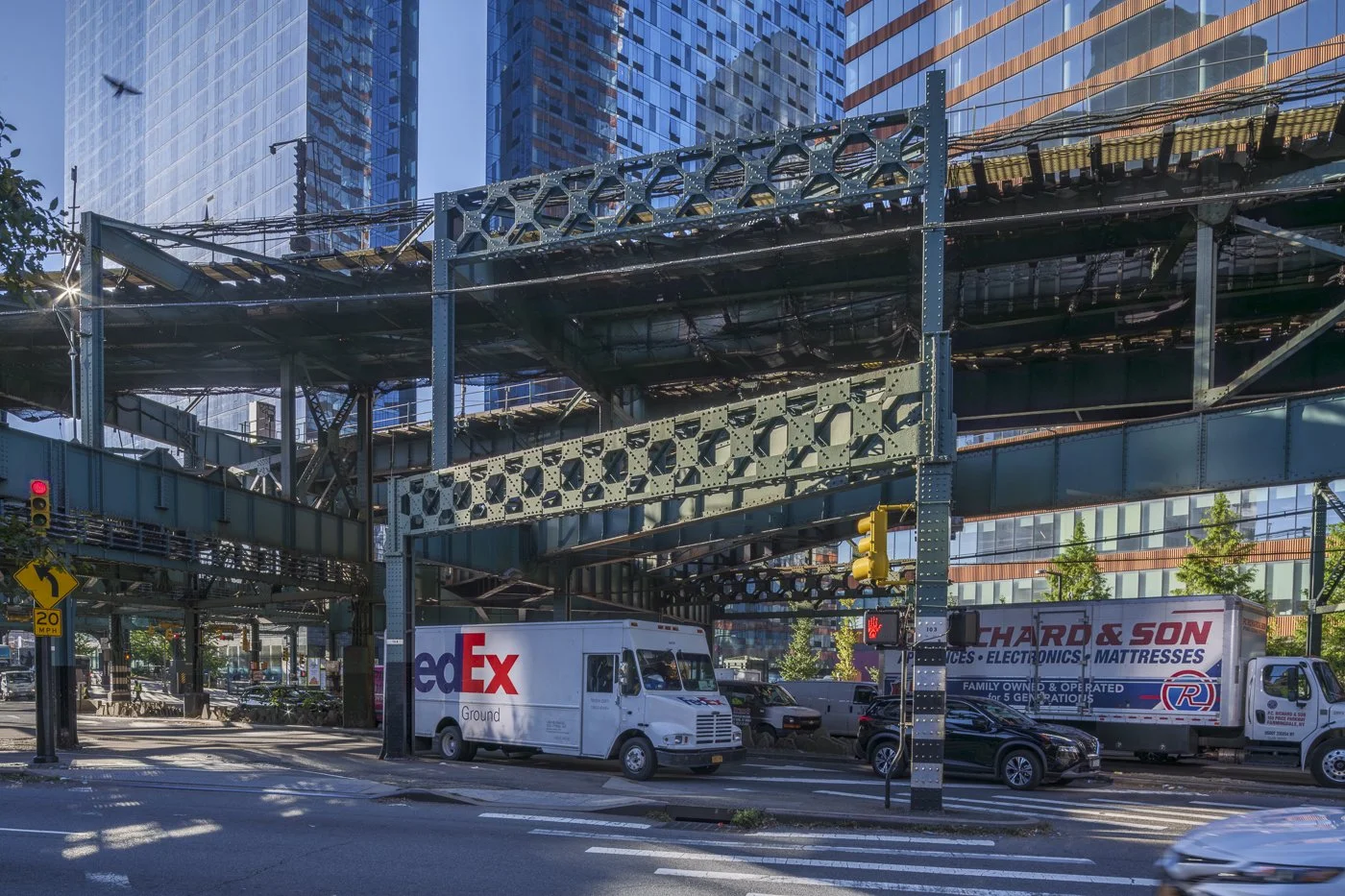
Walking through Queens, New York, I often wondered why the borough looks the way it does. What explains the abutting of incongruous elements, the continual repurposing of the land, and the contrast between massive investment in some areas and complete neglect of others? Why, for example, does a garbage incinerator tower over a Jewish cemetery? Why do an absurd number of cable lines emerge from a telephone pole? Why is one neighborhood on Flushing Bay cleared of automotive repair shops to build a soccer stadium while another on the Atlantic Ocean remains vacant after its houses were raised decades ago?
Some light can be shed on these mysteries of Queens by considering the paradox that while Queens is “the world’s borough,” it is also Manhattan’s, serving its needs and functioning as its infrastructure. Manhattan’s economy attracts Queens’ immigrants and sets the borough’s course, while the borough’s diversity and inequality send it in divergent and sometimes conflicting directions. The result is a disorderly and dynamic landscape that is constantly adapted to the evolving requirements of both the broader city and the borough’s ever-changing population.
To explain Queens, I have researched its history and written short texts in dialogue with the photos that will appear on the pages facing the photos in the book and next to the prints on the exhibition wall. Changing Queens is inspired by the original manuscript of Changing New York with photographs by Berenice Abbott and text by Elizabeth McCausland. (1) Following their example, I aspire to unify photography and history in a single voice in which the whole is greater than the sum of its parts.
(1) Sarah M. Miller, Documentary in Dispute: The Original Manuscript of Changing New York by Berenice Abbott and Elisabeth McCausland (Cambridge Mass.: the MIT Press, 2020). -
Archival inkjet prints for the portfolio review and eventually a book and an exhibit for the finished project.